





.png)

.png)



One day, Indonesian writer Dewi
"Dee" Lestari posted on Instagram a picture of books on story
crafting she was reading. The post proves to me one thing: Writing is
indeed laborious, yet it is rewarding. While Dee never fails to amaze us with
her fantastic, out-of-this-world books, a productive writer like her still
feeds her mind and sharpens her skills through theories on writing.
Thus, I try to invest in good writing books to learn about the concepts and
experiences that shape one as a prolific writer.
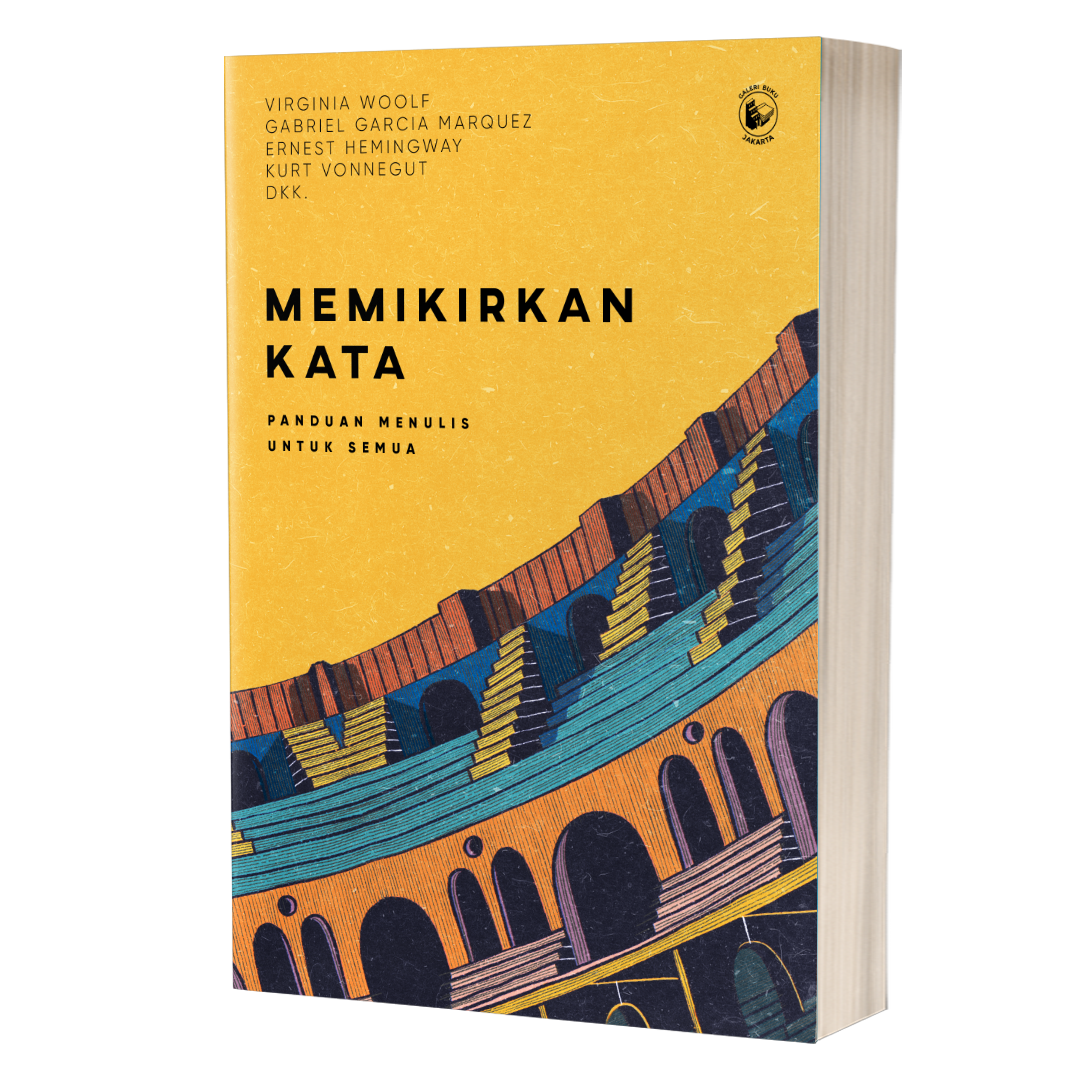
Memikirkan Kata: Panduan Menulis
Untuk Semua (Contemplating Words: A Writing Guide for Everyone), published
by Galeri Buku Jakarta in August, is one of my ultimate picks. Adorned with
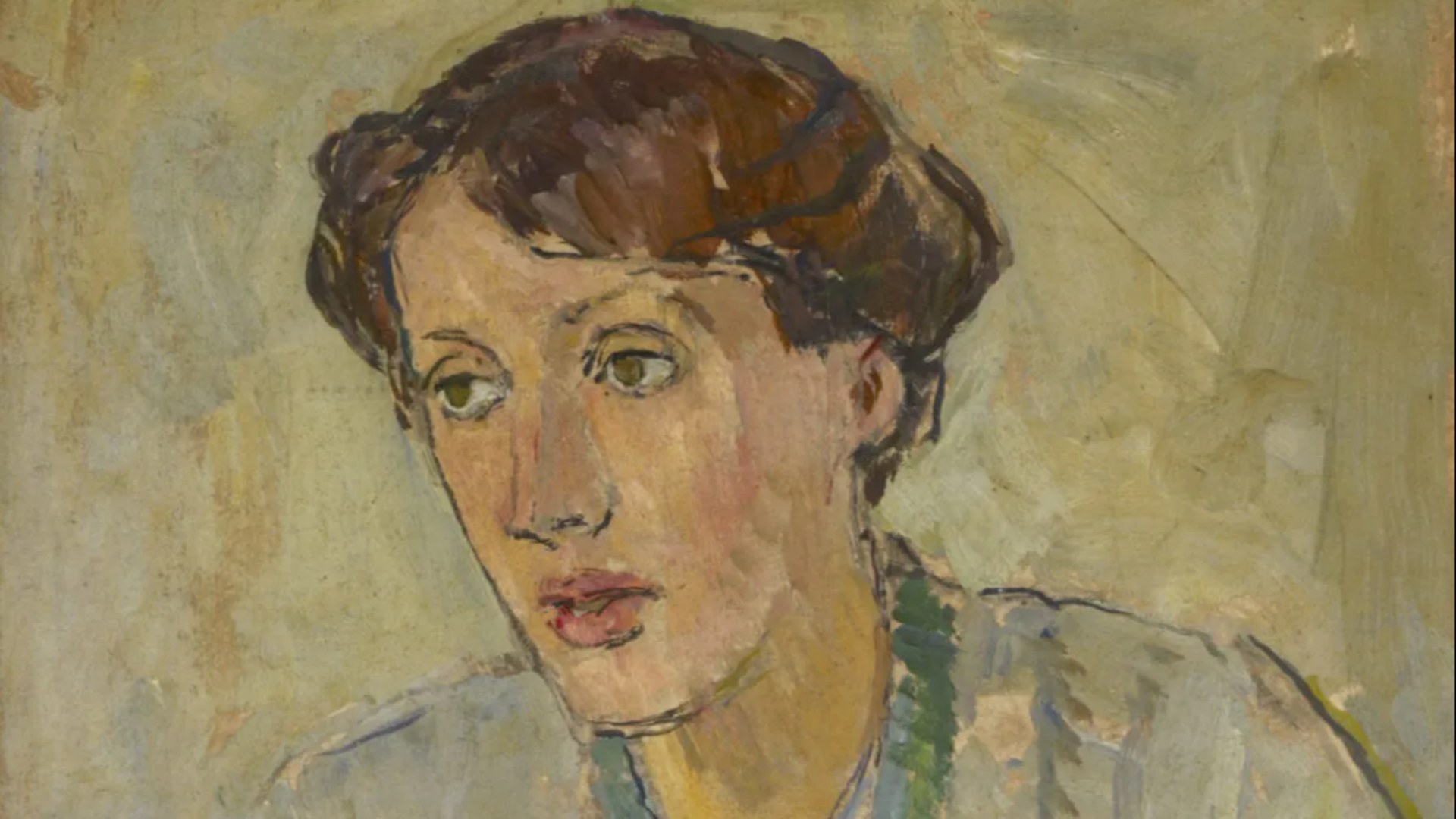
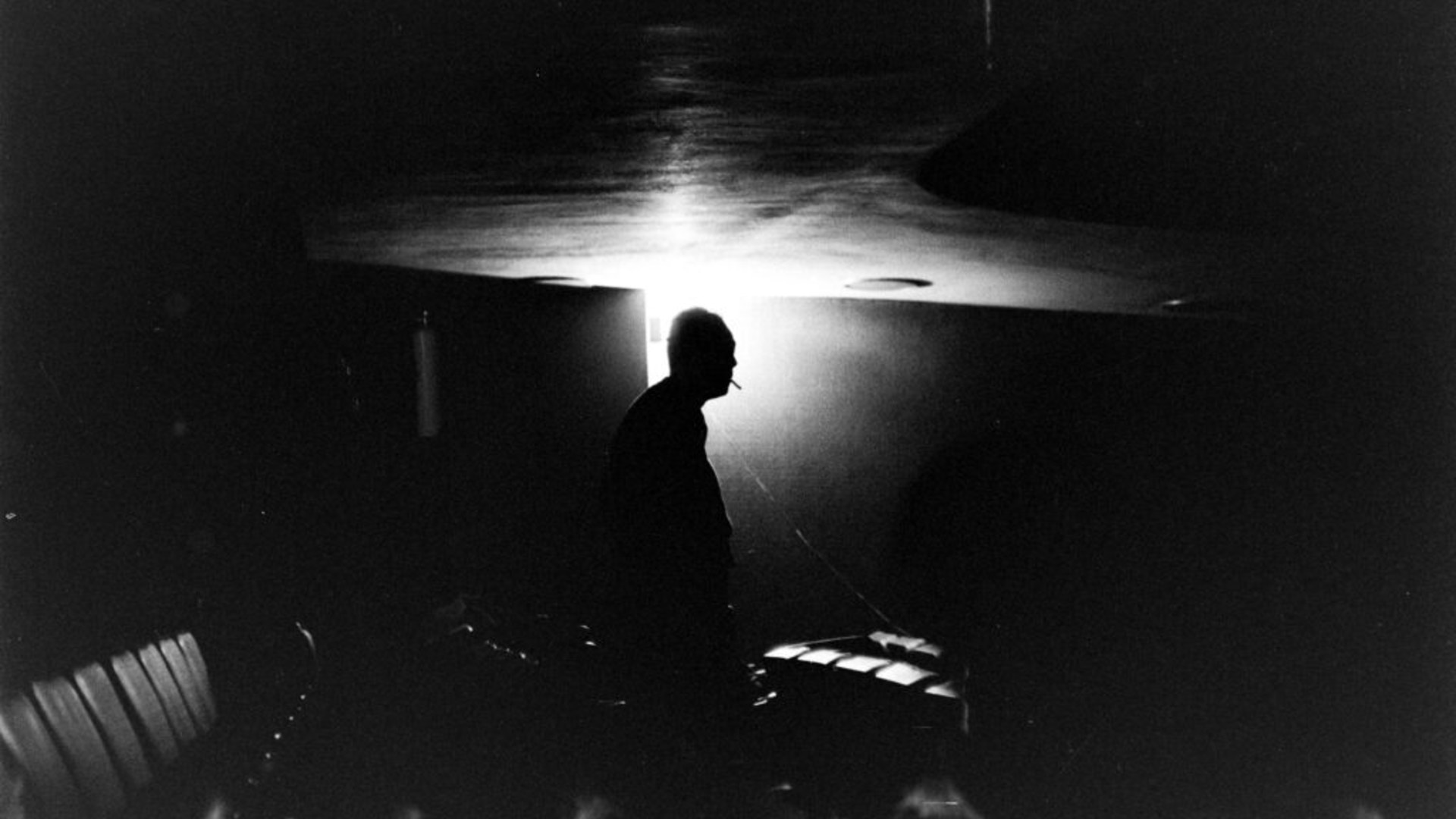
photographs of legendary authors like Virginia Woolf and Gabriel Garcia Marquez
on colorful pages that are truly a feast for the eyes, the book accentuates
critical aspects aspiring writers may need in their writing journey. Instead of
a mere guide on how to write, the book serves as a compendium of
world-famous and Indonesian authors' stories, unfolding the art of composing
writings in its multi-layered dimensions.
The book begins by inviting its
reader to dig deeper into involving senses in our writing routine. As words are
the building blocks of our writing and the product of our thoughts, they
require a mental process to ignite the production. Hence, the early chapters
encourage us to “listen and read more” to make the writing process a bodily
experience before swiftly moving to “more workable writing procedures” in the
subsequent section of the book: Natalie Goldberg’s technique in “Kaidah Praktik
Menulis” (The Principles of Writing), for instance. In this part, Goldberg
demonstrates her approach that mainly centers on self-discipline and the
importance of specificity in describing nuances in our fiction. As for
non-fiction, like essays, the book provides a thinking guide that may direct us
to produce the needed ideas.
In other chapters, though, the
composition comprises miniature autobiographies of authors that make up the
greater portion of the entire book. While other writing books only focus on an
author’s life, Memikirkan Kata offers experiences from many famous
authors, such as Haruki Murakami, Kurt Vonnegut and Orhan Pamuk, as well as
Indonesian authors like Joko Pinurbo, W.S. Rendra, Intan Paramaditha and
Alfrizal Malna.
These narrations prove that rejection, desperation and strenuous effort have become the norm in writing. It took months for Gabriel Garcia Marquez and Philip Roth to write the introductory paragraphs, as shown in “Yang Paling Susah adalah Paragraf Pertama” (The First Paragraph is The Hardest) and “Kalimat Pertama Novel Butuh Perjuangan” (The Struggle of the First Sentence). Stanley Kunitz in “Puisi Sempurna di Kepala, Bahasa Merusaknya” (My Poem is Perfect in My Head, Until Language Ruins It) found that converting ideas to language is extremely difficult as we have to find the right rhythm. To overcome such hardship, Joan Didion in “Cara Terbaik agar Tidak Gagal Menulis Novel” (The Best Way to Avoid Failure Writing A Novel) dismissed the "perfect writing" notion and let herself improve throughout her writing journey. Haruki Murakami in “The Interview: Saya Kurang Suka dengan Gaya Kepenulisan Realis” (The Interview: I Don't Like Realistic Writing Style), similarly, used a unique approach in his creative writing process by deciding the ending as he writes to advance his storyline.
Another think that makes this book worth buying is its diverse explorations on what constitutes the writing world. Curious about the editing and publishing milieu? The chapter “Voice of Editor: Menilik Dapur Pikiran Para Editor Tentang Dunia Kepengarangan” (Voice of Editor: What Editors Think of the Writing World) may feed your curiosity, as it features advice, rules and demands from established editors around the world. Facing writer’s block and finding it hard to produce ideas? We may be inspired from what legendary authors did, as described in “Inspirasi: Bagaimana Ide Bekerja-Dari Saul Hingga Gabriel Marquez” (Inspiration: How Idea Works -- From Saul to Gabriel Marquez) or “Artist at Work: Bagaimana Para Pengarang itu Begitu Keras Bekerja” (Artist at Work: How Writers Struggle). The book even explores the less-talked-about contemporary genres like ‘how-to’ articles, book reviews and online articles in “Writing Tips: Menulis itu Terkadang Mudah” (Writing Tips: Writing is Easy Sometimes).
Personally,
“Buku-buku Bagus Tidak Ditulis, Tetapi Ditulis Ulang” (Great Book Are Not
Written, But Rewritten) remains one of my favorite chapters. This part
endorses the concept of “so what” thinking in writing the early chapters. I
find this framework applicable in writing classes that I have been teaching.
When teaching students to generate ideas and sustain their reasons, I encourage
them to adopt a "so-what" approach to keep their ideas flowing.
Applying the "so what" framework reinforces the urgency of our
writing, why our ideas matter. I also found that "so
what" prevents us from repeating the same idea, leading us to better
progression in our writing, which may work in both fiction or non-fiction.
Additionally, we can learn a thing or two from what Silviana Paternoso experienced when joining one of Gabriel Garcia Marquez’s workshops. Marquez emphasized the importance of literary elements in journalism--one of the most important yet overlooked elements in news coverage. He also highlighted what makes good reporting by relying on our senses. He harbored doubts about the use of a tape recorder and recommended our direct observation instead when collecting information.
Briefly put, Memikirkan Kata indeed lives up to its name. Producing words often leads us to the dark abyss and an endless loop of uncertainty. We fear what our readers may perceive in our writing. The book, nevertheless, tries to acknowledge this collective fear and restore our confidence by narrating the same arduous process that those acclaimed authors had experienced. All of these writers’ accounts are effortless to comprehend thanks to the authors and translators, who exerted great effort in arranging such pleasant reads. I prefer to call this a ‘lesson-learned aspects of writing’ book instead of a technical guide. Thus, I recommend this 500ish-page book wholeheartedly. Devour it slowly and take it as a mental tour of the world’s brightest minds. | by Nindya Soraya Dharma[1] (The Jakarta Post)
[1] NINDYA SORAYA DHARMA is an English Instructor at Balai Bahasa,
Indonesian University of Education (UPI), Bandung. In her spare time, she
writes, reads and plays games. Her blogs: https://medium.com/@nindyasoraya and
https://nsdreads.wordpress.com/